
Wildlife Images Species
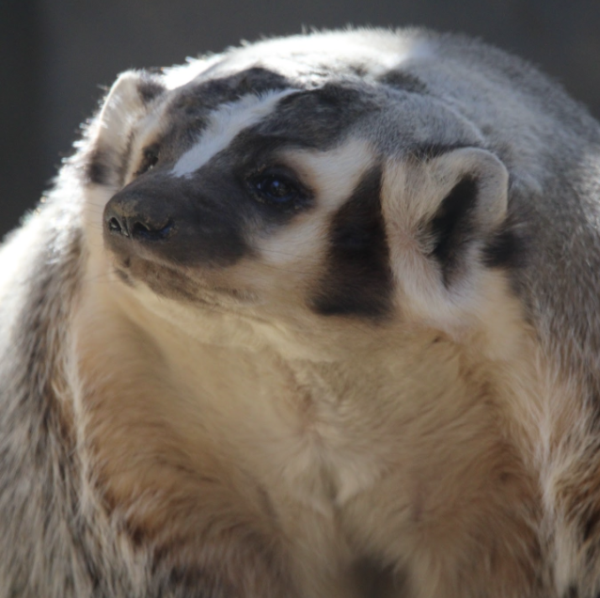
American Badger
American badgers specialize in hunting burrowing rodents, so they are built for digging. They use their impressively long front claws to dig out dirt which they kick out behind them with their stubby hind legs. Their eyes have nictitating membranes to keep out debris...
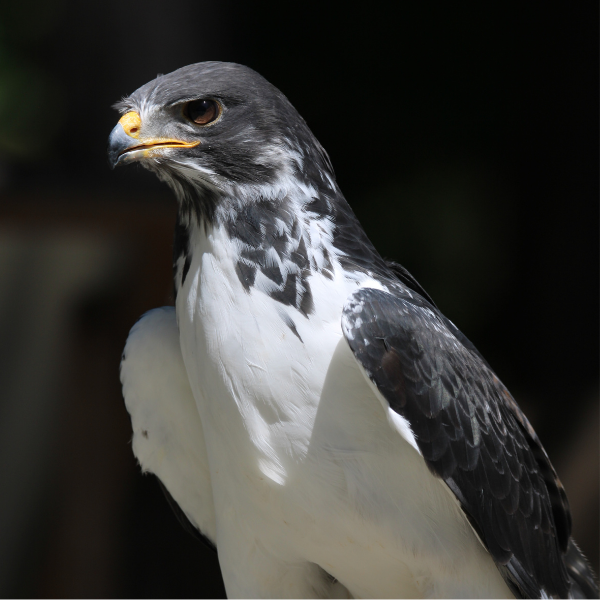
Augur Buzzard
This strikingly-plumaged raptor is closely related to our red-tailed hawks here in North America and occupies a similar ecological niche. Augurs are one of the highest-flying of all birds, preferring high-altitude habitats and frequently sighted soaring between 6,000...
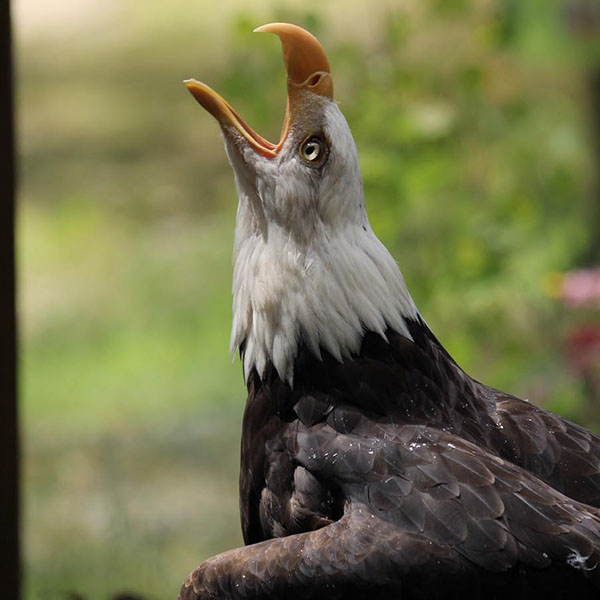
Bald Eagle
Although they are the U.S.’s national bird, bald eagles were once threatened with extinction due to poaching, habitat loss, and exposure to pesticides such as DDT. Widely used as an agricultural insecticide, DDT began affecting eagles through a process called...
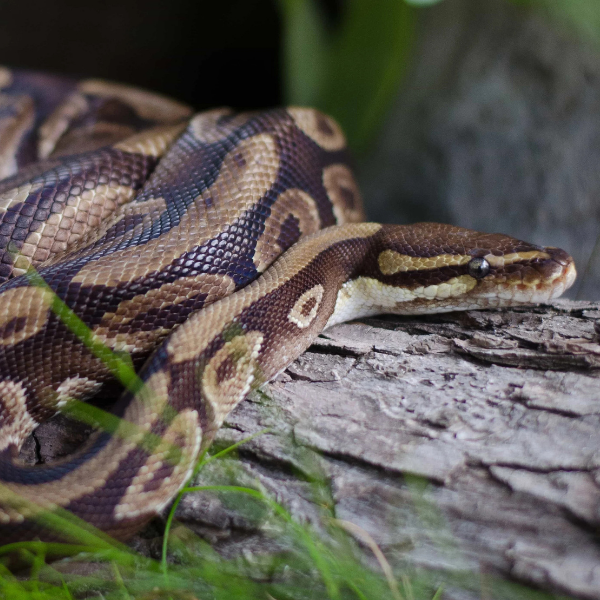
Ball Python
Ball pythons are one of the smallest species of pythons. Males and females are typically distinguishable by size, with males maturing at around 2-3 feet in length and females maturing at 3-5 feet. These snakes are non-venomous, relying instead on constriction to...
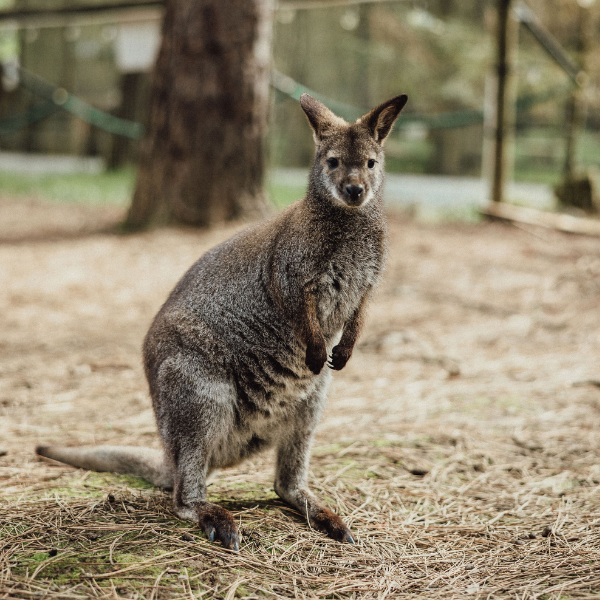
Bennett’s Wallaby
The Bennett’s wallaby typically has tawny gray fur, with a white belly and chest, and dark paws. They are also called the Red-necked wallaby for the reddish fur on the back of their neck and shoulders. Baby wallabies, called joeys, are born the size of a jellybean...
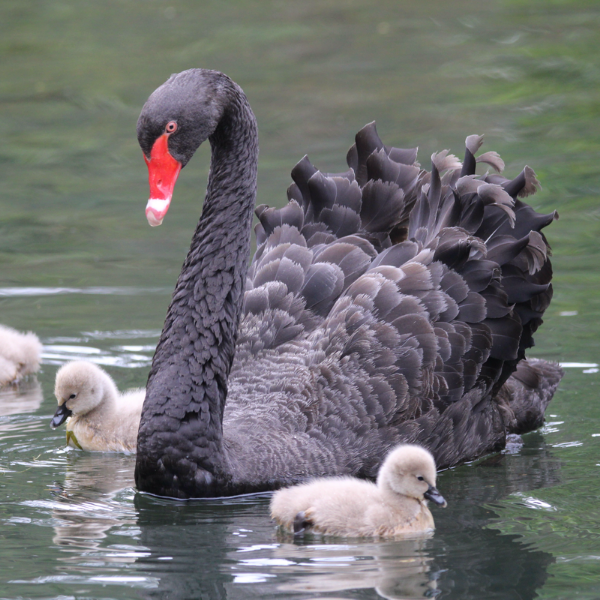
Black Swan
Native to Australia and Tasmania, Black Swans are easily recognizable due to their jet black feathers lined with white and their bright red eyes and bills. Males are called cobs and are larger than females, which are called pens. A group of swans is called a bank or a...
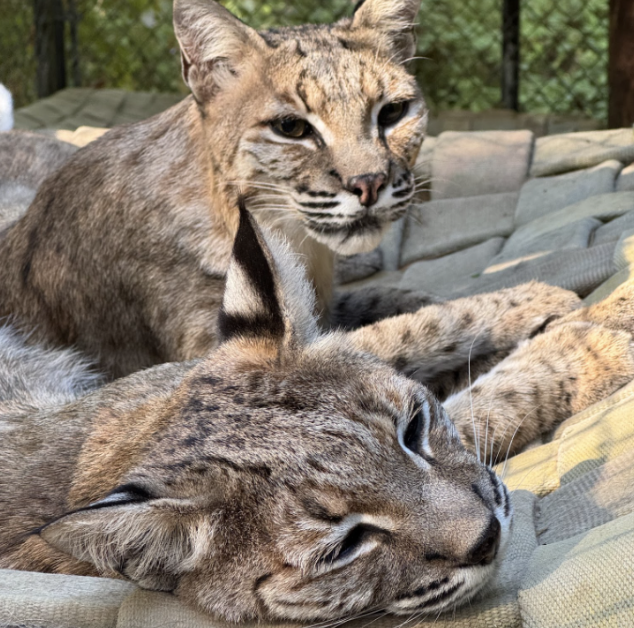
Bobcat
Bobcats, although elusive and rarely seen, are one of the most common wildcats in the United States. They are easily distinguishable by their short, bobbed tails. Additionally, their characteristic tufts of fur at the top of their ears serve as camouflage and help...
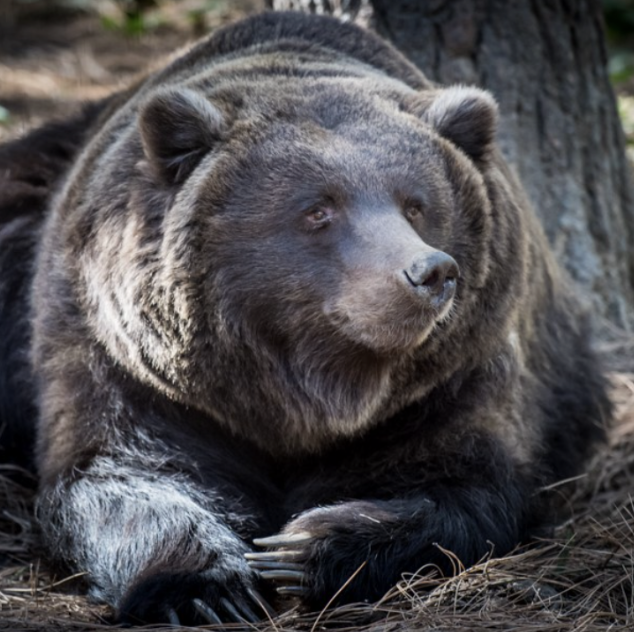
Brown Bear
Because of their wide range across multiple continents, there are many subspecies of brown bear. The term “grizzly bear” is typically applied to the populations of smaller inland bears, as opposed to individuals living along the coast. The largest subspecies in North...
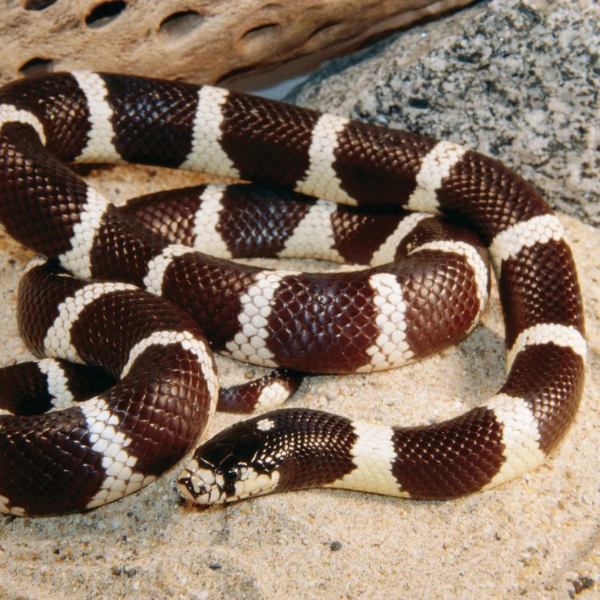
California Kingsnake
California kingsnakes are found across much of the western United States. They are highly adaptable when it comes to habitat and are found in woodlands, coniferous forests, grasslands, cultivated fields, tropical scrubs, deserts, and riparian areas. These snakes are...
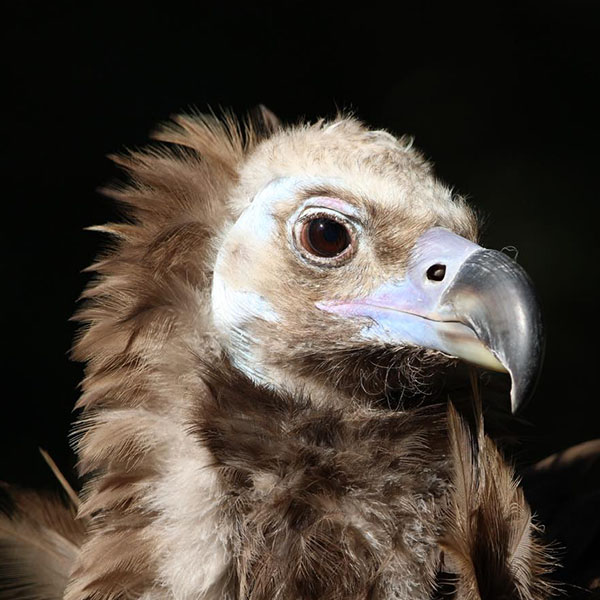
Cinereous Vulture
Although the Cinereous Vulture is not yet classified as endangered, their numbers are dwindling in the wild. While they are known to breed within the Korean peninsula, China and Mongolia, the harsh winters in their northern territory often drive them to migrate into...
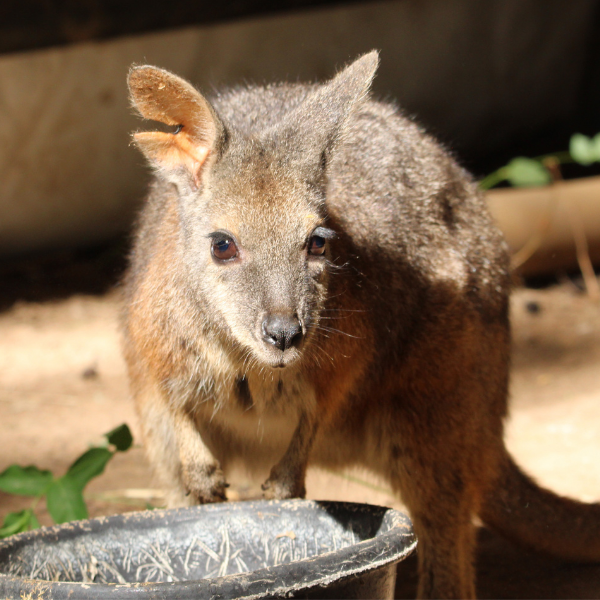
Dama Wallaby
ssssThe Dama Wallaby has tawny gray fur and is the smallest of the wallabies. They are part of a subset of marsupials called macropods. Characteristics of macropods include long back feet, a sturdy tapered tail to help them balance, underdeveloped vocal cords, and a...
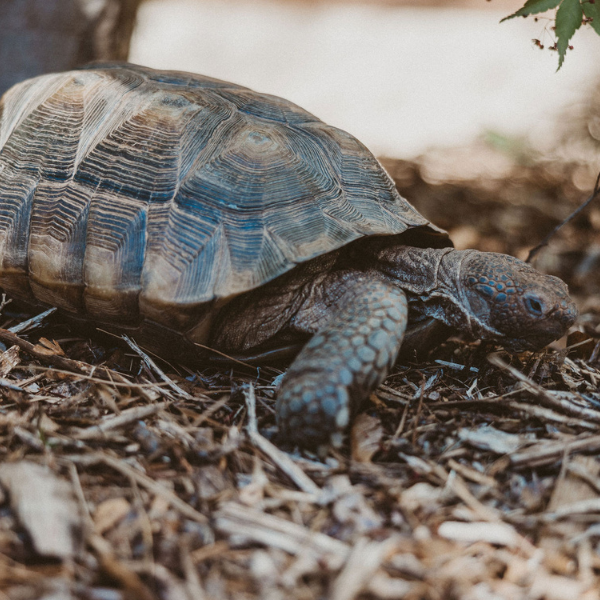
Desert Tortoise
As their name implies, desert tortoises are incredibly well-adapted for life in arid regions. They are built for digging and spend as much as 95% of their lives underground in order to reduce water loss and to regulate body temperature. These tortoises can survive for...
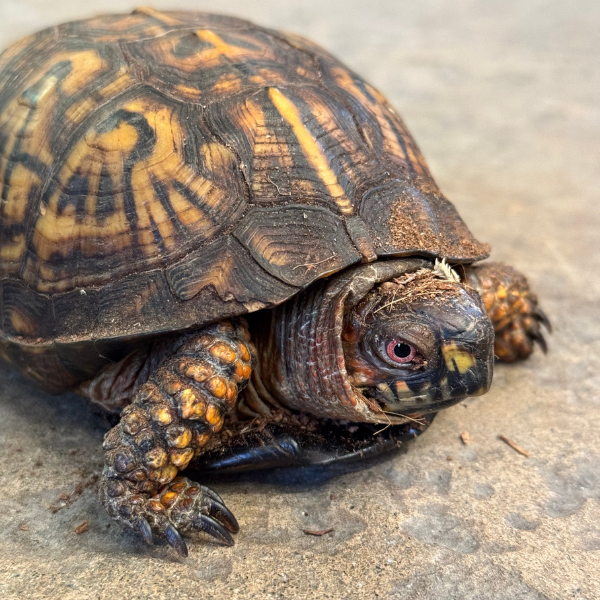
Eastern Box Turtle
Box turtles are easily distinguishable by their brightly-patterned, hinged shell, which allows them to retract almost completely to hide from danger. Eastern box turtles are largely terrestrial, although they do prefer to live in areas that are adjacent to marshes,...
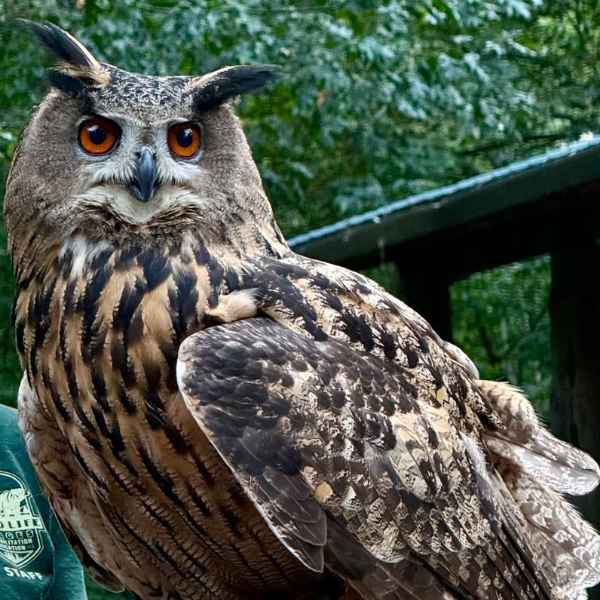
Eurasian Eagle Owl
Eurasian eagle owls are one of the largest species of owls in the world; while great gray owls have longer bodies and Blakiston’s fish owls are often heavier, Eurasian eagle owls have the largest wingspan. They are widespread throughout many parts of Europe, Asia, and...
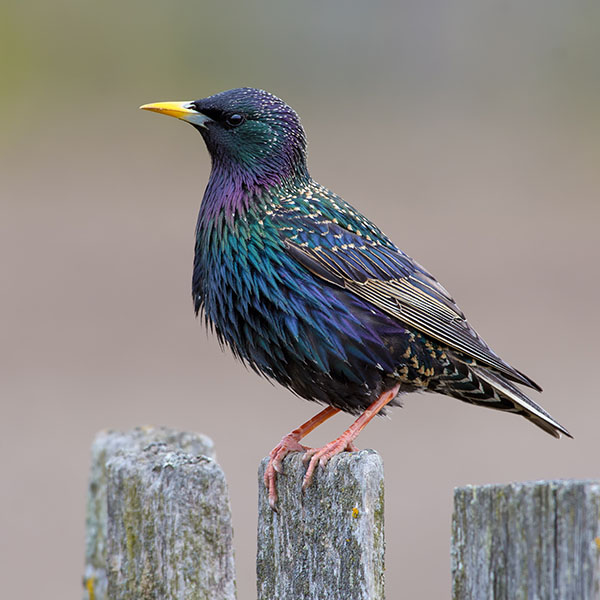
European Starling
European Starlings, also known as Common Starlings, or just Starlings in parts of Europe, are one of the most numerous and successful birds in the world. They have long, sharp beaks, triangular wings, and glossy green-black feathers. They are highly adaptive, which...
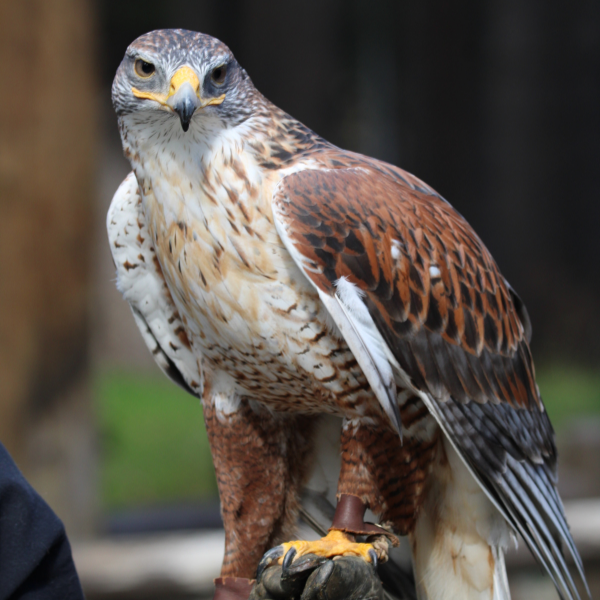
Ferruginous Hawk
The ferruginous hawk is the largest hawk species in North America. Their name comes from the Latin word “ferrum,” meaning iron, for the rust-colored patches on their wings. Unlike most hawks, they have feathers extending all the way down their legs. Because of their...
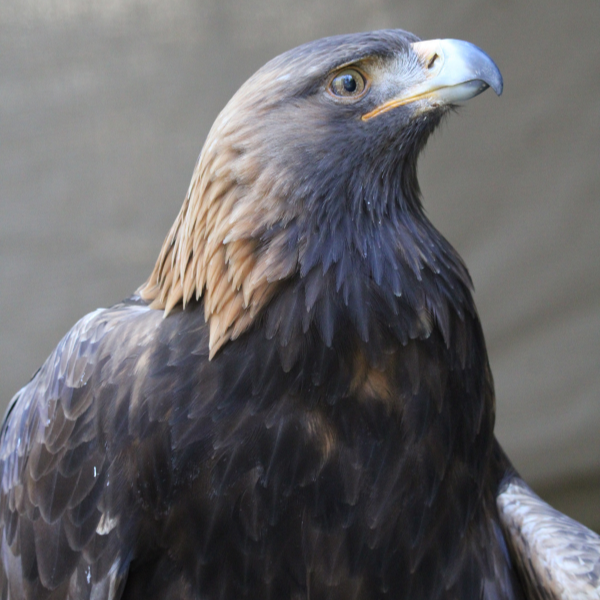
Golden Eagle
One of the largest and most widely distributed raptors in the world, the golden eagle is capable of hunting over 200 species of prey, ranging from rabbits to swans to small deer. There have even been reported cases of eagles successfully killing seals, mountain goats,...
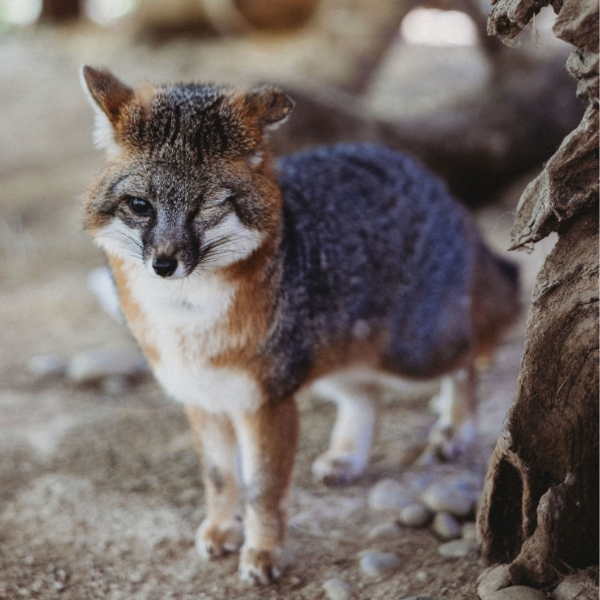
Gray Fox
This wide-ranging fox is found from southern Canada to the northern portion of South America, making it the only canid native to both North and South America. Additionally, they’re one of the few canids that are adept climbers! Gray foxes have long legs and sharp,...
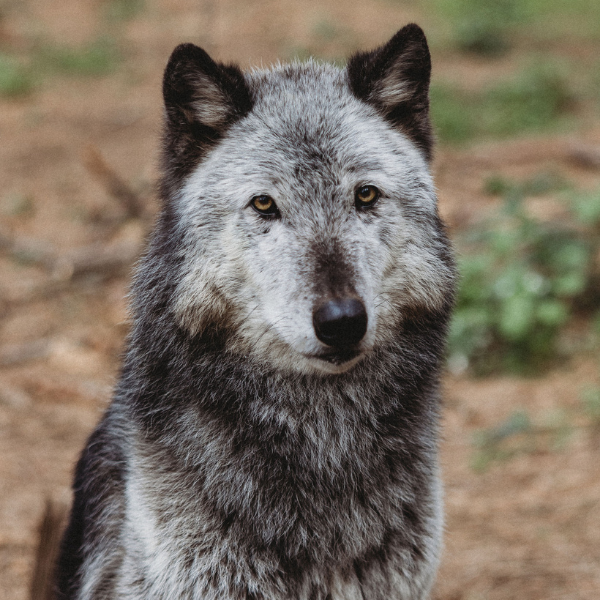
Gray Wolf
Wolf-hybrids: A wolf-hybrid is an animal that is part domestic dog and part wolf; this mix is typically achieved by breeding existing wolf-hybrids with other wolf-hybrids, rather than breeding a pure wolf with a pure dog. Because the two species are so closely...
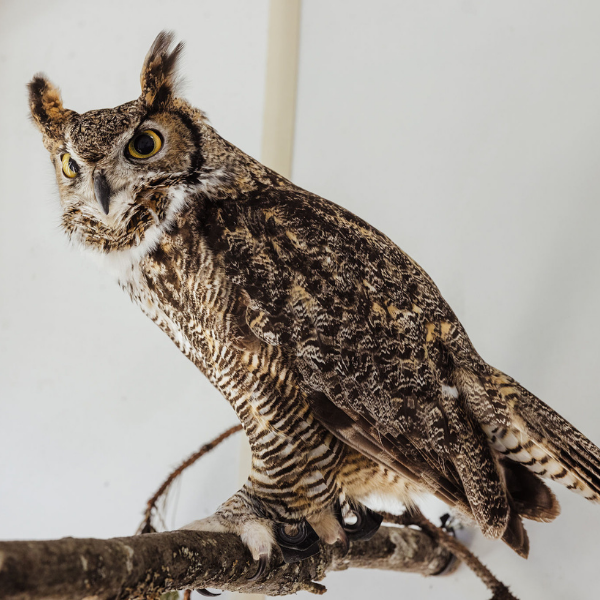
Great Horned Owl
The great horned owl is the most common owl of the Americas, easily identified by the iconic feather tufts on its head. While these are often referred to as horns or ears, they are actually just feather tufts called “plumicorns.” It’s thought that they help with...
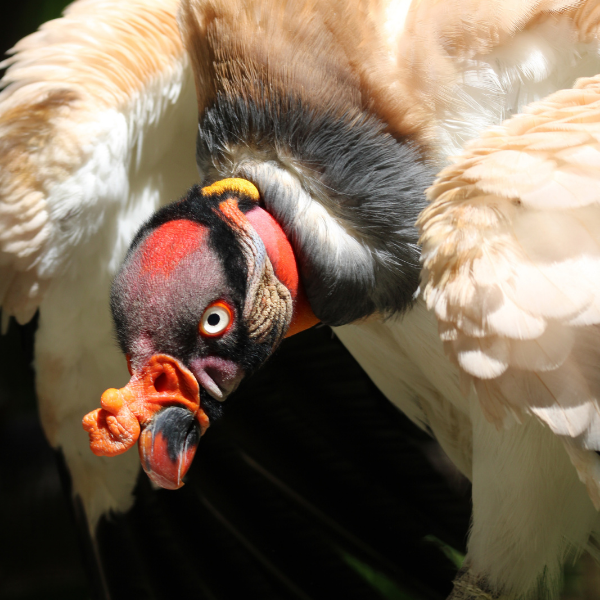
King Vulture
A distinctive bird, the king vulture is easily recognized. The wings are short and quite broad and from the neck down the birds are white with a black band running along the rear edge of the wings. A small collar of feathers at the base of the neck is blackish-gray...
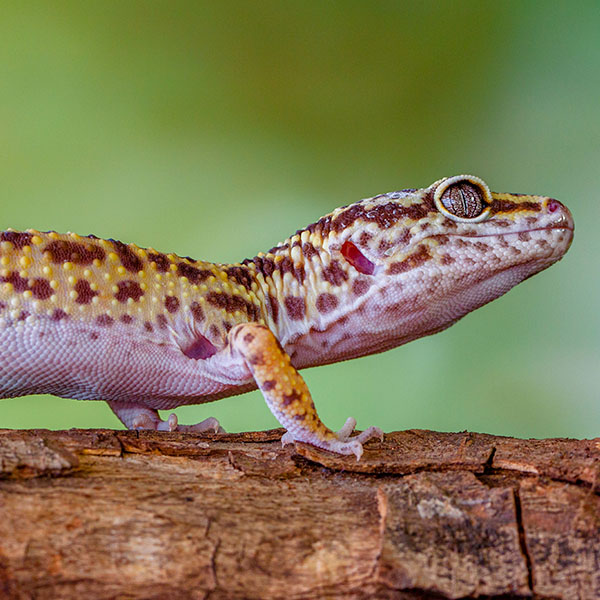
Leopard Gecko
Leopard geckos differ from their tropical cousins in a variety of ways. For example, they have true eyelids that allow them to blink dust away and lack the specialized toe pads that allow many other gecko species to climb up smooth surfaces. Instead, their clawed feet...
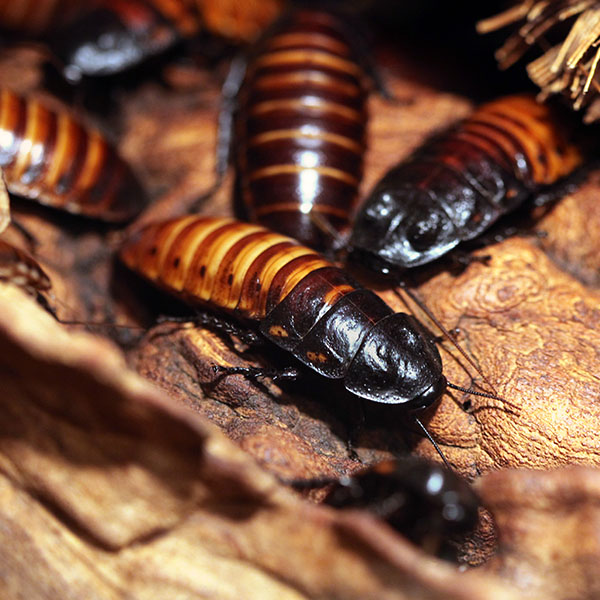
Madagascar Hissing Cockroaches
Although cockroaches have a pretty bad reputation, there are around 3,500 species of cockroaches in the world, only 30 of which are considered pests! Madagascar hissing cockroaches are among the majority which are completely harmless and don’t take up residence in...
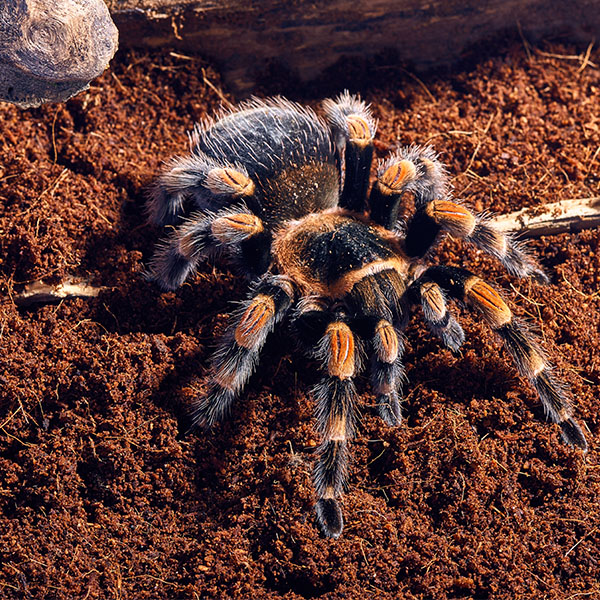
Mexican Red Knee Tarantula
These large tarantulas may look threatening, but they are relatively harmless to humans. Although capable of biting, Mexican red knee tarantulas will typically flick or drop off urticating hairs on their abdomen when threatened; these hairs are barbed and can cause...
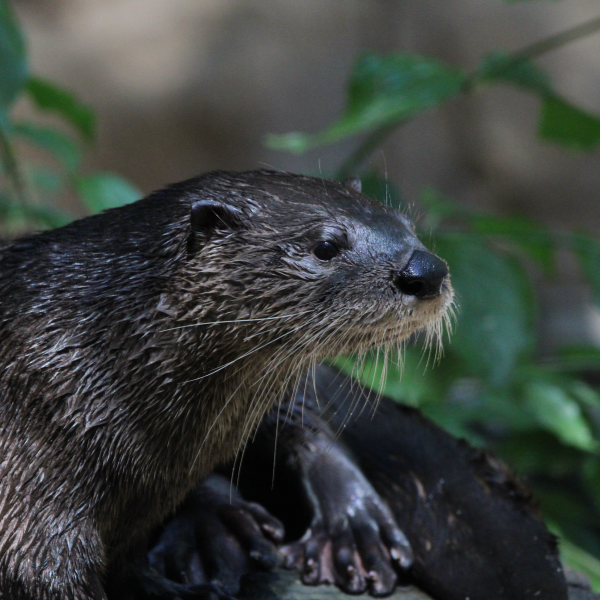
North American River Otter
River otters are incredibly well-adapted swimmers and divers, allowing them to pursue their preferred prey of fish. They can swim up to 7.5 miles per hour, dive as deep as 65 feet, and hold their breath underwater for 4-8 minutes. They also have specialized ears and...
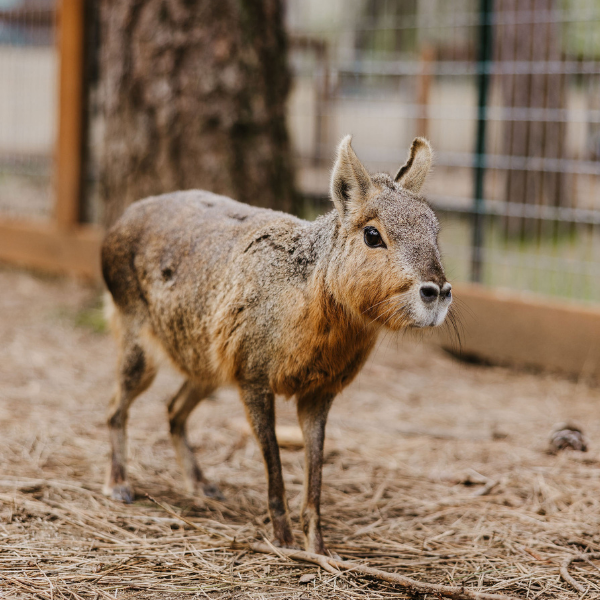
Patagonian Cavy
The Patagonian cavy, also known as the Patagonian mara, is native to South America. Although they resemble jackrabbits, they are actually large rodents! They are primarily grazers, spending almost half of their day eating on semi-open plains. Because they are so often...
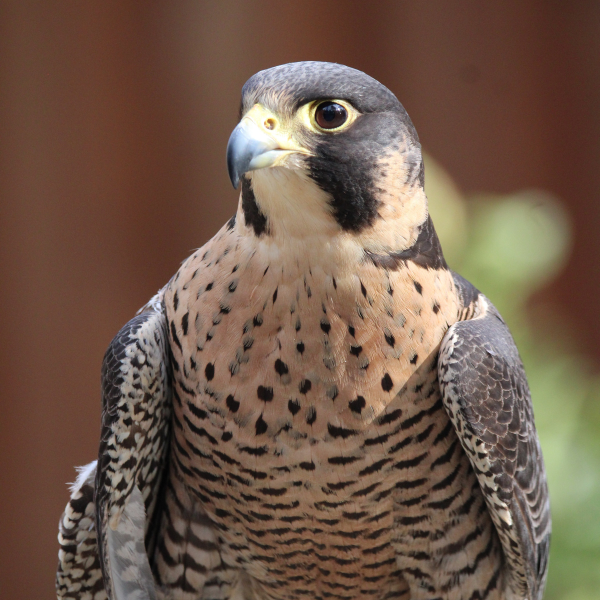
Peregrine Falcon
These falcons are formidable hunters that prey on other birds (and bats) in mid-flight. Peregrines hunt from above and, after sighting their prey, drop into a steep, swift dive that can top 230 miles an hour. This makes them the fastest animal on the planet. ...
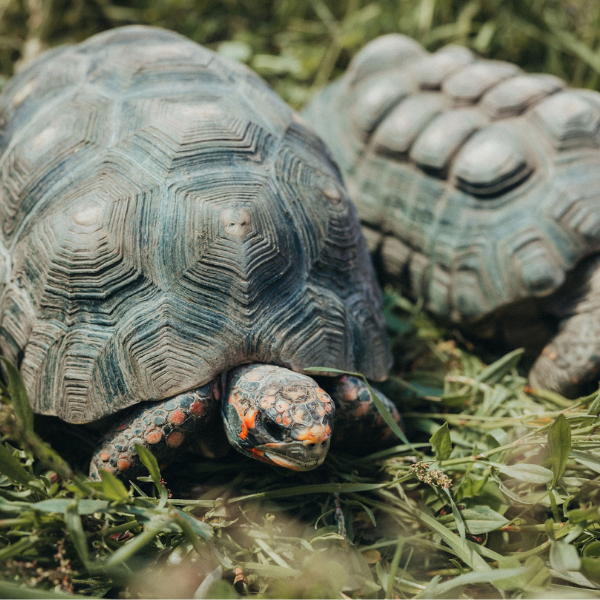
Red-Footed Tortoise
The red-footed tortoise is a small tortoise species native to South America. They are highly omnivorous, eating a wide variety of fruits, grasses, fungi, insects, and small vertebrates. The majority of their diet consists of fruits and seed pods. After the fruit is...
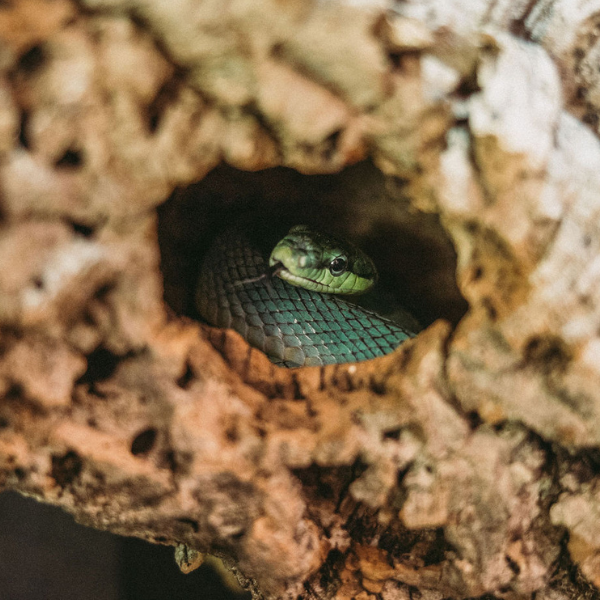
Red-tailed Green Rat Snake
The red-tailed green rat snake is a thin-bodied, semi- arboreal species, which has an average adult length of 60 to 70 inches. There is not a notable sexual dimorphism in relation to size or color. Naturally endemic to Southeast Asia, red-tailed green rats range...
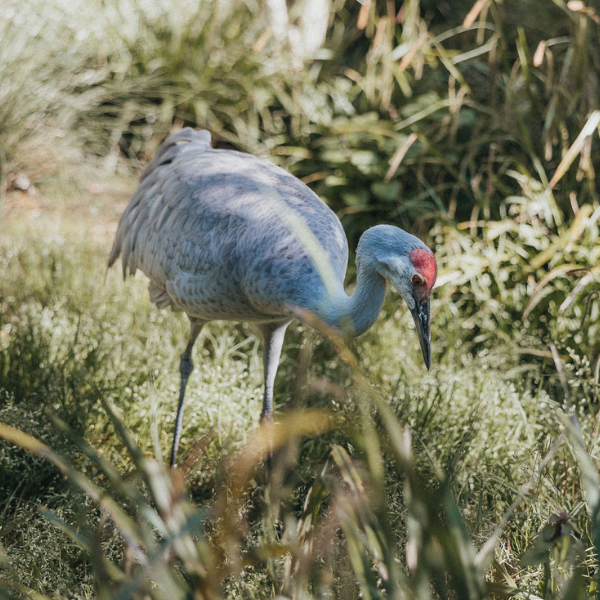
Sandhill Crane
Although sandhill cranes are found mostly in Canada and Alaska during the summer, these migratory birds pass through the western United States in flocks of up to 10,000 individuals! These birds are wetland specialists, wading through marshes to forage for plants,...
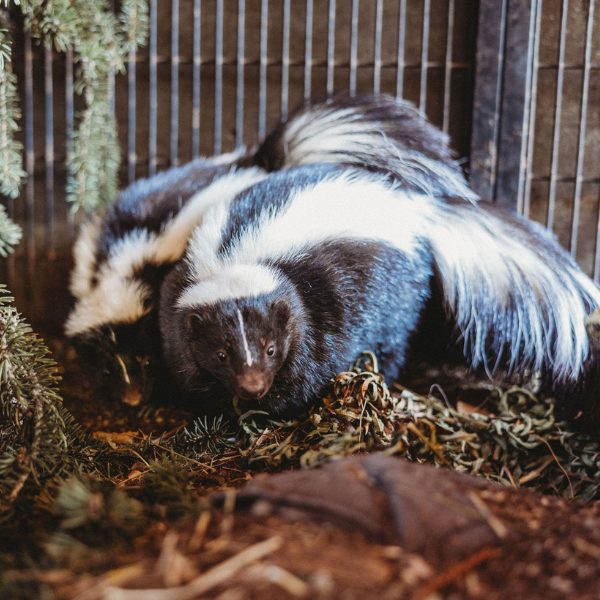
Striped Skunk
Striped skunks are the most common skunk species in North America, found from southern Canada to northern Mexico. Although skunks used to be grouped in with the Mustelid family, they are now recognized as their own distinct family Mephitidae. They are best known for...
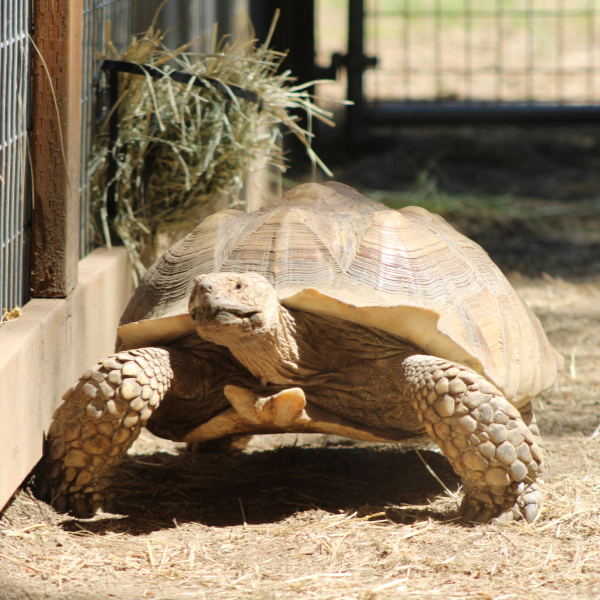
Sulcata Tortoise
The sulcata, also known as the African spurred tortoise, is the third largest tortoise species in the world, reaching weights of over 200 pounds! They grow quickly when young, doubling in size each year for the first few years of their lives. This hardy tortoise, like...
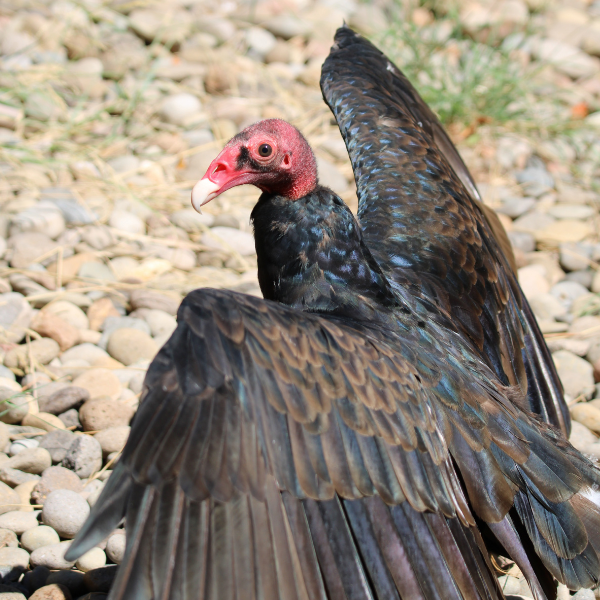
Turkey Vulture
Although vultures often have a bad reputation, they are a vital part of a healthy ecosystem. Vultures are obligate scavengers, meaning that their diet is almost entirely composed of dead animals. This requires special adaptations; for example, vultures have bald or...
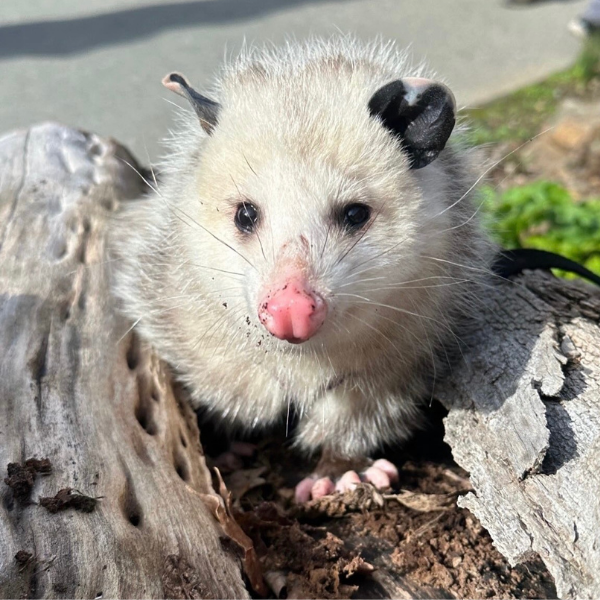
Virginia Opossum
While there are many kinds of marsupials in the world, the Virginia Opossums are the only marsupials in North America. This means they carry their young around in a pouch on their stomach. Baby opossums are smaller than a dime, and will live in the pouch for up to two...
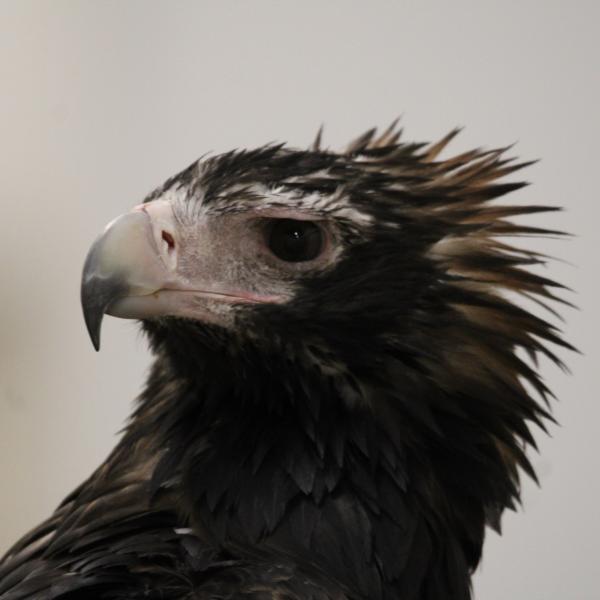
Wedge Tailed Eagle
Wedge tailed eagles are Australia’s largest bird of prey and the only natural predator to many species of venomous snakes on the Australian continent. Though they prefer wooded forests and grassland, they are known to survive harsh conditions in the Australian outback...
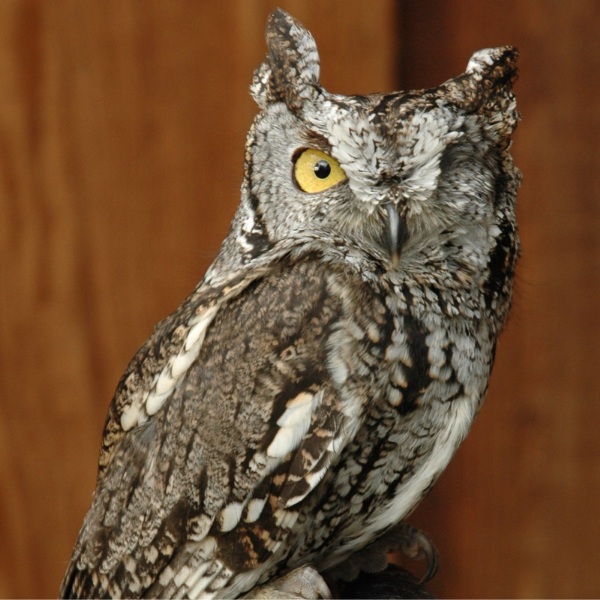
Western Screech Owl
Western screech owls are a small species of owl common throughout the West. They are closely related to their eastern counterpart, the Eastern Screech Owl, but make different vocalizations. Contrary to their name, western screech owls don’t actually make a...